San Diego, CA · Under-slab lines
Slab Leak Detection in San Diego
Tracking hidden line failures beneath San Diego foundations — hot-side pinholes, copper corrosion and post-tension slab breaches located to the square foot before a single cut is made.
- Post-tension safe locating
- Hot-side thermal mapping
- Acoustic correlation under concrete
- Marked location, one small opening
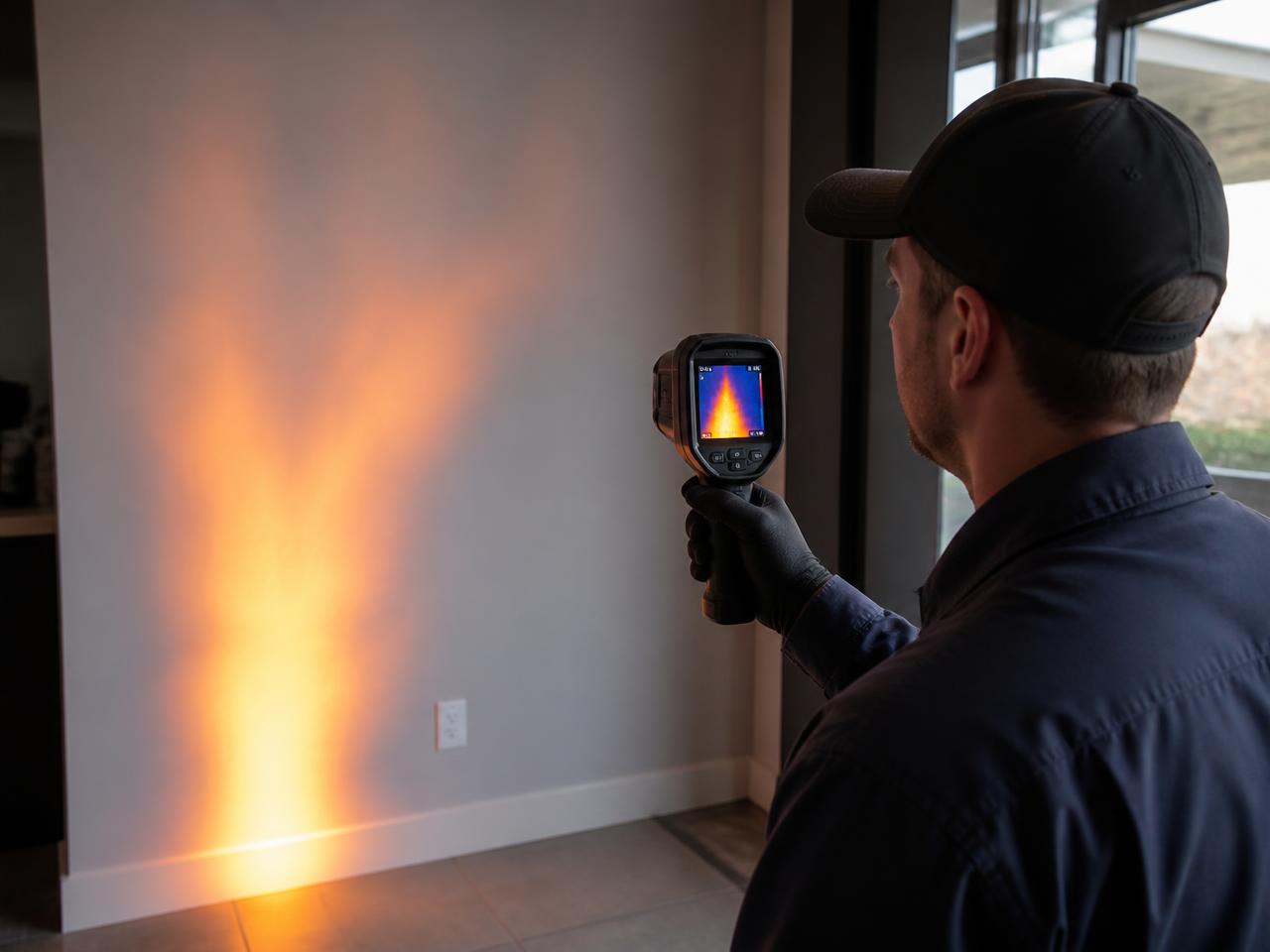
Non-invasive locating
Four technologies, one square foot of certainty before anyone touches your slab.
- Acoustic
- Correlated listening on pressurized lines
- Thermal
- Hot-side imaging through finished floors
- Tracer gas
- Inert helium/nitrogen for silent leaks
- Pressure
- Zone isolation to confirm the failing loop
Dispatch & scheduling
(619) 923 - 0033Why San Diego foundations hide leaks so well
Under a concrete slab there is no visible plumbing, no access panel and no drip to follow. The line is cast into or buried beneath the pour, and by the time evidence reaches the surface the leak has often been running for months. In Southern California two very different soil regimes drive most of those failures.
Coastal corrosion
West of I-5, marine-influenced sand and lagoon fill hold chloride-rich moisture permanently against under-slab copper. That contact strips the pipe's protective oxide layer and drives galvanic pitting, almost always on the hot line first where temperature accelerates the reaction. Because those soils drain laterally, escaping water travels along bedding planes and surfaces far from the break.
Inland valley movement
East of the coastal terraces, expansive clay swells through winter rain and shrinks through triple-digit summers. The slab lifts and drops in uneven planes and rigid supply lines shear at joints and bends. Hillside pressure zones above 80 psi and hard mineral content finish the job from the inside.
Post-tension slabs
Newer tracts in San Marcos, Chula Vista's eastern edge and Santee are frequently post-tension. Cutting blind there risks a tendon and a structural repair bill far larger than the leak. Precise locating isn't a convenience on those foundations — it's the only safe path.
Not sure yet? Start with the signs of a slab leak, check whether your insurance covers it, and review the cost of slab leak detection in San Diego.
Diagnostic technology
How we locate a slab leak under your San Diego foundation
Slab leaks do not surface where they start. Water travels along bedding planes, expansion joints and insulation until it finds a weak spot. We use two non-destructive technologies to map the path back to the source.
Electronic Acoustic Mic Pinpointing
A pressurized leak under a concrete slab emits a distinct acoustic signature — a hissing or rushing sound in the 1,000–4,000 Hz range that travels through the pipe, the surrounding bedding and the concrete itself. We place high-gain contact microphones and electronic geophones on the slab surface, then use frequency filtering and cross-correlation to separate leak noise from household vibration, HVAC airflow and street traffic. The result is a location marked to a square-foot area, not a guess across an entire room.
Non-Toxic Tracer Gas Injection
When acoustic access is limited — under luxury vinyl, tile, hardwood or post-tension slabs — we evacuate the water line and introduce a pressurized 95/5 nitrogen/hydrogen tracer gas mixture. The light gas escapes through even micro-fractures and rises through concrete pores, sub-floor gaps and slab joints. Sensitive electronic sensors detect the concentration gradient at the slab surface, allowing us to trace the leak path without lifting flooring or cutting concrete.
Property symptoms checklist
If you notice any of these three signs, a slab leak is the most likely cause and worth confirming before the damage spreads:
- Unexplained warm spots on floors. A hot-side leak heats the slab directly above it, creating warm strips on tile, wood or carpet that do not match your thermostat.
- Water meters spinning continuously. Turn off every faucet, hose bib and appliance. If the meter dial still moves, water is leaving the system somewhere under the slab.
- Sudden water bill spikes. A small pinhole can lose thousands of gallons per month. If your bill jumps without increased use, the leak is probably hidden.
What we locate
Leak detection services in San Diego
Every call starts with electronic locating — acoustic, thermal, tracer gas and pressure isolation — so the repair in San Diego is surgical instead of exploratory.
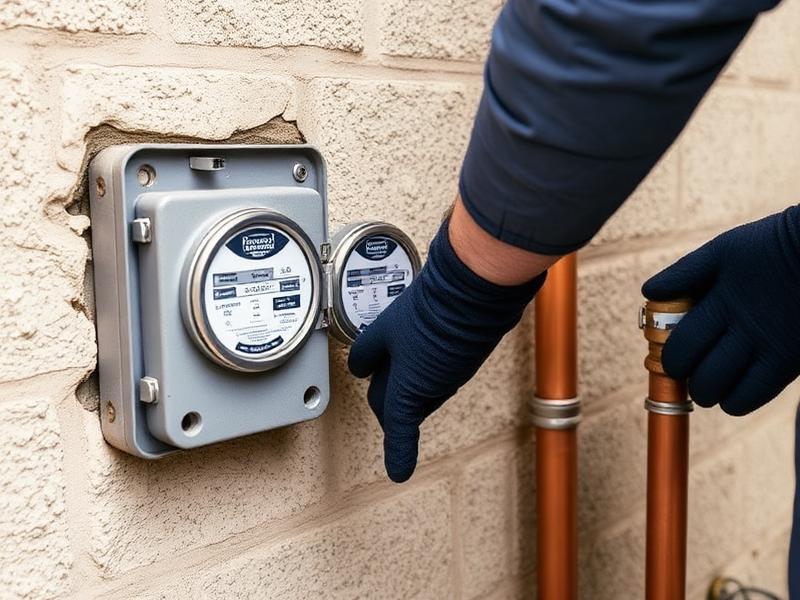
Water Leak Detection
Acoustic correlation, thermal imaging and tracer gas to pinpoint pressurized water line failures inside San Diego walls, ceilings and service laterals — no exploratory demolition.
Learn more
Pool Leak Detection
Dye testing, pressure isolation and hydrophone listening on pools, spas and plumbing loops losing water to dry Southern California evaporation-plus-leak conditions.
Learn more
Slab Leak Detection
Tracking hidden line failures beneath San Diego foundations — hot-side pinholes, copper corrosion and post-tension slab breaches located to the square foot before a single cut is made.
Learn more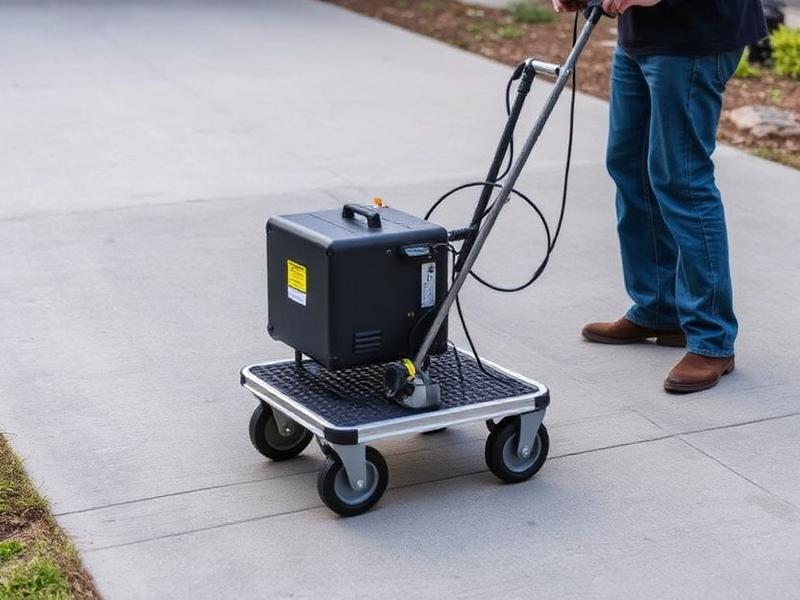
Underground Utility Locating
Electromagnetic locating and ground penetrating radar to map water, sewer, gas and conduit runs across coastal fill and decomposed granite before you excavate.
Learn more
Gas Leak Detection
Certified combustible gas surveys, pressure decay testing and line isolation on residential and commercial natural gas and propane systems throughout San Diego County.
Learn more
Commercial Leak Detection
Multi-unit, hospitality, retail and industrial leak investigation with after-hours scheduling, documented findings and reports your insurer and property manager will accept.
Learn moreStraight answers
Leak detection questions San Diego homeowners ask
No call-center scripts. If your question isn't here, call (619) 923 - 0033.
Describe what you're seeing
Warm floor? Spiking bill? Sound of water with everything off?
Tell us the symptoms and we'll tell you what it usually means in San Diego — and what locating it will take. Most calls are scheduled same day.