San Diego, CA · Pools & spas
Pool Leak Detection in San Diego
Losing more than a quarter inch a day? We separate real loss from Southern California evaporation and find the shell, fitting or buried line responsible.
- Bucket and evaporation baselining
- Dye testing on shell, skimmer and lights
- Hydrophone listening on pressure lines
- Isolation testing of returns and suction
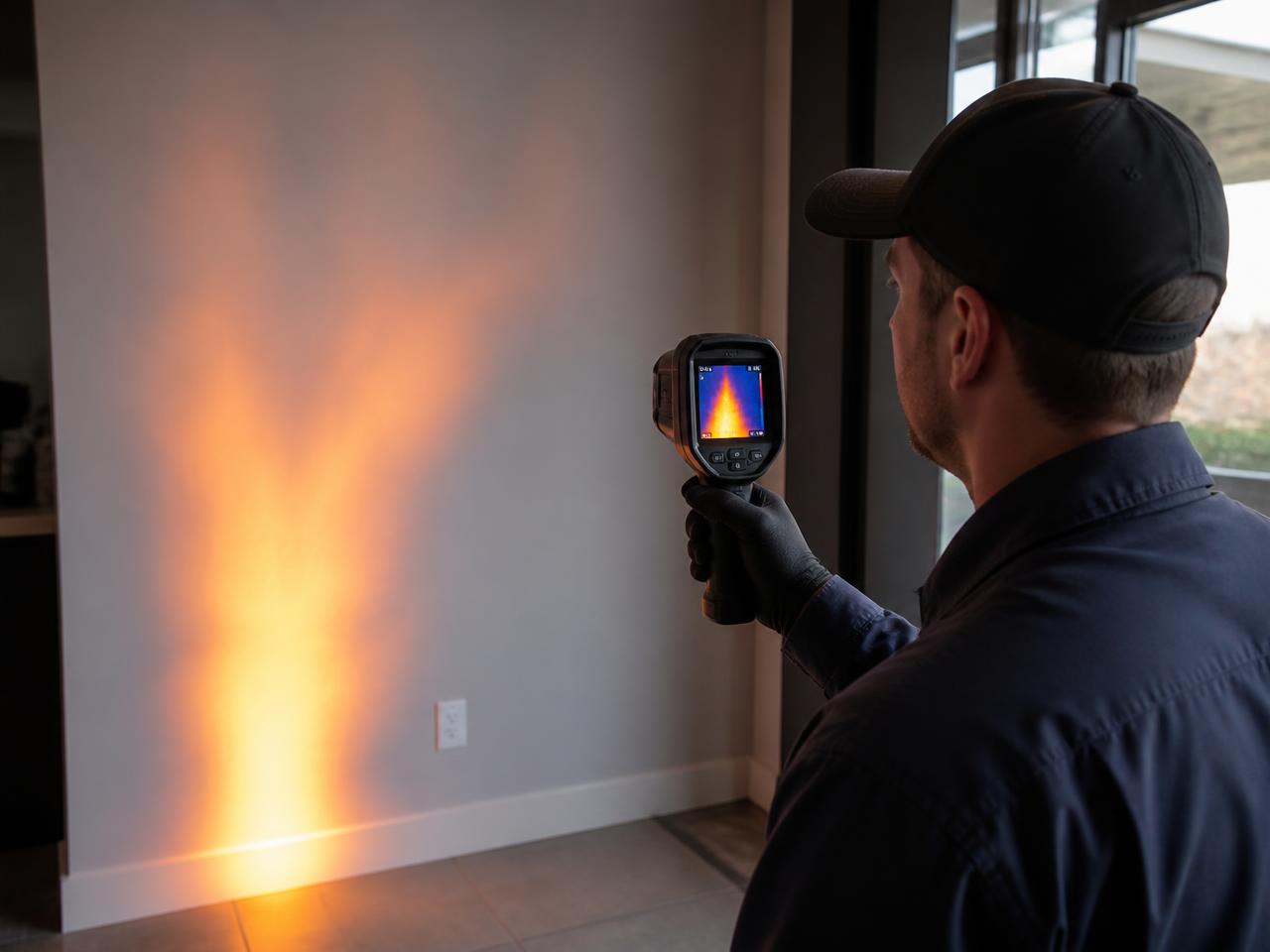
Non-invasive locating
Four technologies, one square foot of certainty before anyone touches your slab.
- Acoustic
- Correlated listening on pressurized lines
- Thermal
- Hot-side imaging through finished floors
- Tracer gas
- Inert helium/nitrogen for silent leaks
- Pressure
- Zone isolation to confirm the failing loop
Dispatch & scheduling
(619) 923 - 0033Evaporation or an actual pool leak?
San Diego's dry air and long sun exposure can pull a quarter inch off a pool in a normal week, which is exactly why so many owners chase phantom leaks. We start with a controlled evaporation baseline so the number we work from is real loss, not weather.
Shell, fittings, or plumbing
From there the pool is tested in stages. Dye tracing covers the shell, skimmer throat, light niche, main drain and tile line. If the shell holds, we isolate and pressurize each plumbing loop independently and listen with a hydrophone — buried returns running under decking and through coastal sand are the most common find in beach-adjacent Carlsbad, Encinitas and Oceanside properties.
Deck and slab interaction
Inland, expansive clay under pool decking in Escondido and El Cajon shifts seasonally and shears rigid PVC at the equipment pad. A leak there saturates soil beside the house and can be mistaken entirely for a slab leak under the foundation — we test both before recommending any excavation.
Process
How we find the real source of pool water loss
Pool leaks hide in three different systems: the shell, the circulation plumbing, and the equipment pad. We test each one independently so you spend money on the right repair.
Plumbing Pressure Testing
We isolate the suction and return lines from the pump, then pressurize each loop independently with air and water. A steady pressure drop on a single loop tells us the plumbing is losing water underground. We then run a hydrophone or acoustic correlator along the return lines, listening for the leak signature under decking, planters and pool coping. This step is critical in older San Diego neighborhoods where flexible PVC has been stressed by inland clay movement.
Structural Shell Dye Testing
When plumbing holds pressure, we turn to the shell. A small amount of concentrated dye is released near suspected cracks, skimmer throats, light niches, main drains and tile lines. If the dye is drawn into a crack, fitting gap or penetration, we have a shell leak. This method is especially effective on plaster and pebble finishes that develop hairline fractures from seismic movement or thermal cycling in Southern California sun.
The Pool Bucket Test Guide
San Diego coastal evaporation can remove 0.125–0.25 inches of water per day in dry months, so the first question is whether you are losing more than the climate. The 24-hour bucket test removes the weather variable entirely.
- 1Fill a 5-gallon bucket to within an inch of the rim and place it on a pool step so the water inside is at the same level as the pool.
- 2Mark both levels on the inside and outside of the bucket, then wait 24 hours without backwashing or running water features.
- 3Compare the loss. If the pool drops more than the bucket, you have a leak. If both drop equally, it is normal evaporation.
A leak greater than 0.25 inches in 24 hours usually means plumbing or shell loss and should be tested professionally. Call (619) 923 - 0033 to schedule pressure and dye testing anywhere in San Diego County.
What we locate
Leak detection services in San Diego
Every call starts with electronic locating — acoustic, thermal, tracer gas and pressure isolation — so the repair in San Diego is surgical instead of exploratory.
Water Leak Detection
Acoustic correlation, thermal imaging and tracer gas to pinpoint pressurized water line failures inside San Diego walls, ceilings and service laterals — no exploratory demolition.
Learn more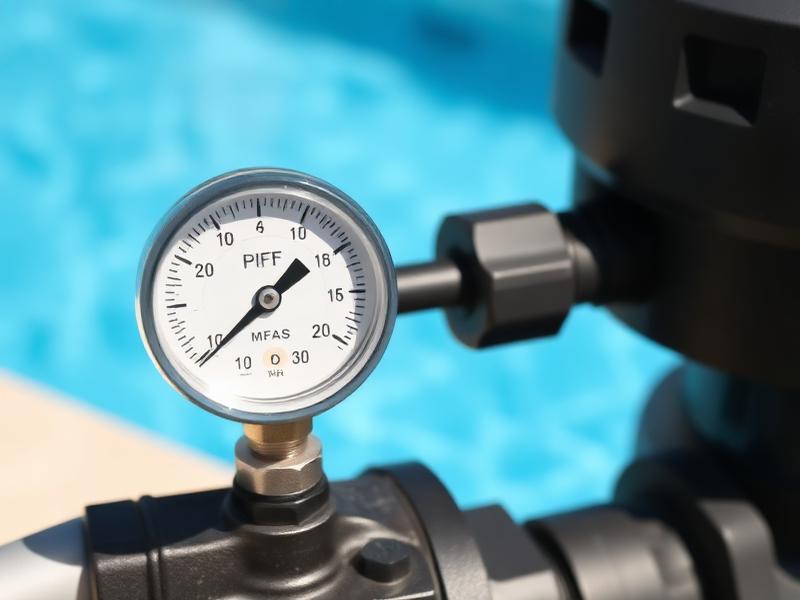
Pool Leak Detection
Dye testing, pressure isolation and hydrophone listening on pools, spas and plumbing loops losing water to dry Southern California evaporation-plus-leak conditions.
Learn more
Slab Leak Detection
Tracking hidden line failures beneath San Diego foundations — hot-side pinholes, copper corrosion and post-tension slab breaches located to the square foot before a single cut is made.
Learn more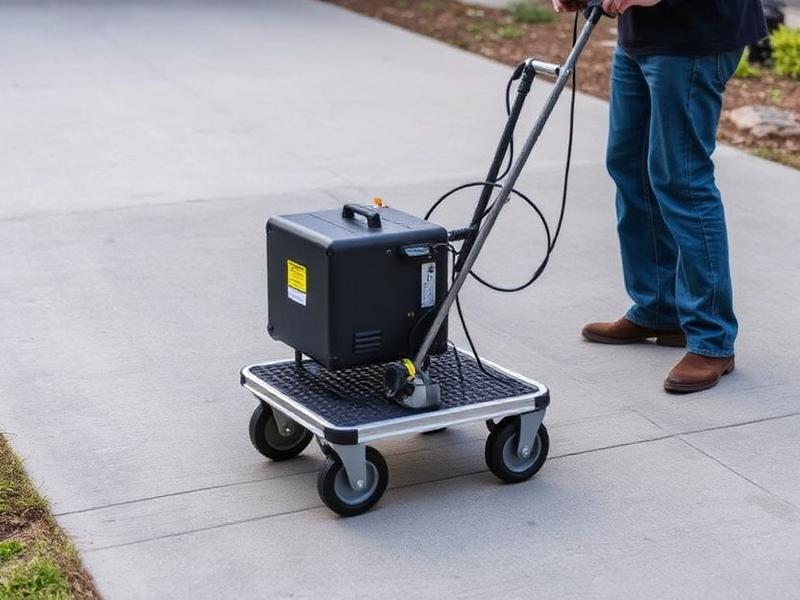
Underground Utility Locating
Electromagnetic locating and ground penetrating radar to map water, sewer, gas and conduit runs across coastal fill and decomposed granite before you excavate.
Learn more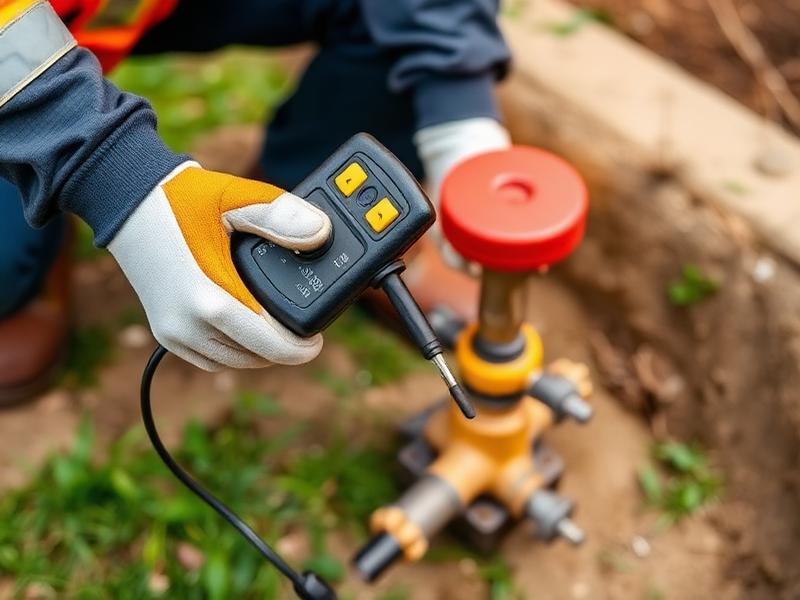
Gas Leak Detection
Certified combustible gas surveys, pressure decay testing and line isolation on residential and commercial natural gas and propane systems throughout San Diego County.
Learn more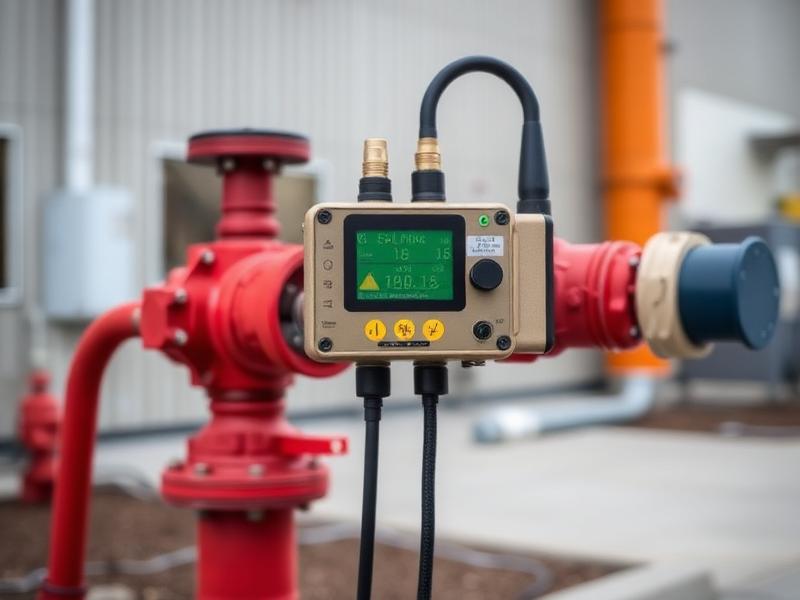
Commercial Leak Detection
Multi-unit, hospitality, retail and industrial leak investigation with after-hours scheduling, documented findings and reports your insurer and property manager will accept.
Learn moreStraight answers
Leak detection questions San Diego homeowners ask
No call-center scripts. If your question isn't here, call (619) 923 - 0033.
Describe what you're seeing
Warm floor? Spiking bill? Sound of water with everything off?
Tell us the symptoms and we'll tell you what it usually means in San Diego — and what locating it will take. Most calls are scheduled same day.