Coronado • Residential & Commercial
CORONADO LEAK DETECTION SERVICES
Coronado is surrounded by water on three sides, and its sandy island soil holds a water table only a few feet below finished grade. Water, slab, pool, gas and underground utility leaks located electronically in Coronado — before anyone cuts concrete.
- Priority Coronado response
- Slab, pool, gas and utility locating
- Documented findings for insurance
- Serving Coronado Village and all of Coronado
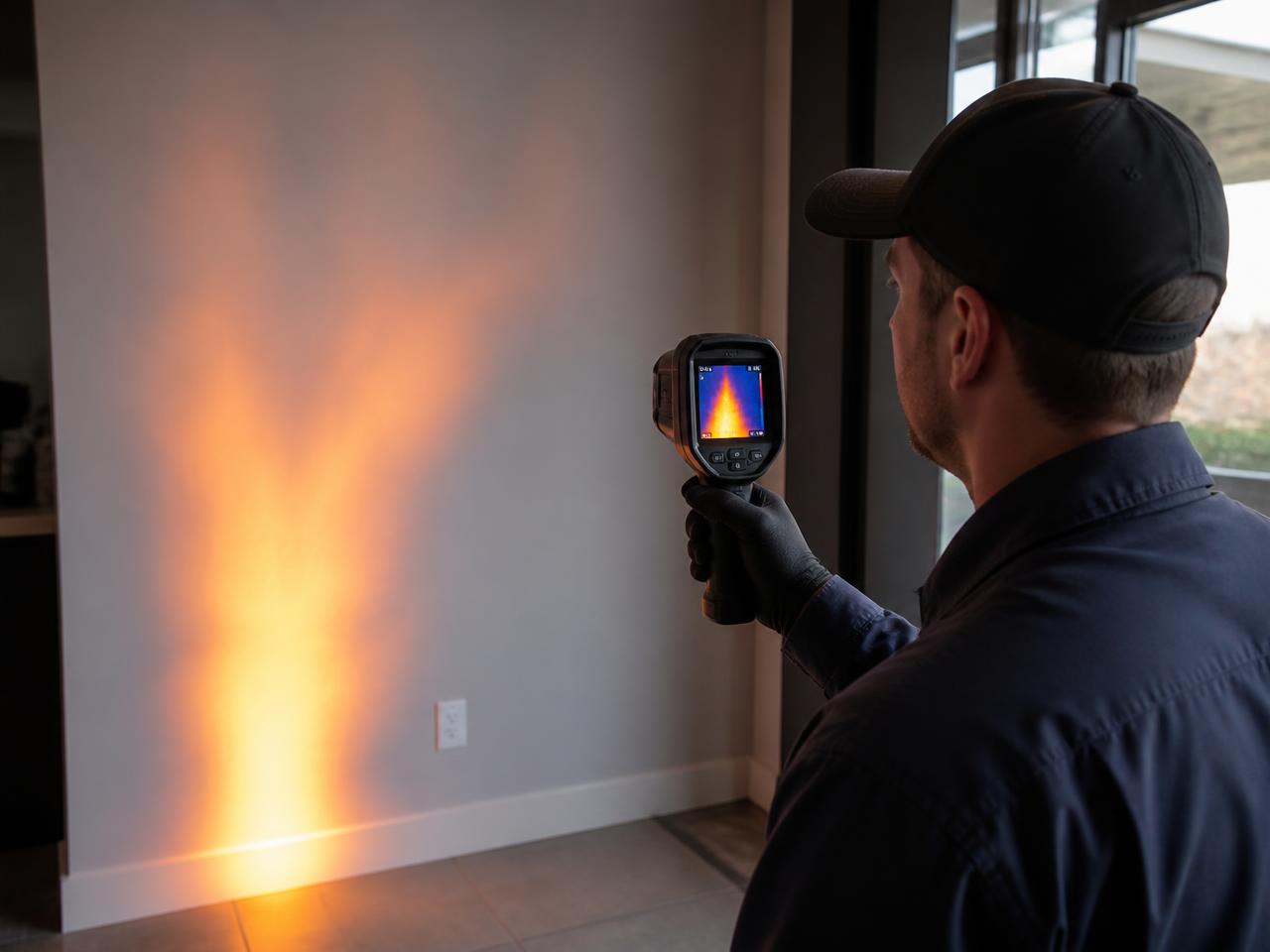
Non-invasive locating
Four technologies, one square foot of certainty before anyone touches your slab.
- Acoustic
- Correlated listening on pressurized lines
- Thermal
- Hot-side imaging through finished floors
- Tracer gas
- Inert helium/nitrogen for silent leaks
- Pressure
- Zone isolation to confirm the failing loop
Dispatch & scheduling
(619) 923 - 0033Local conditions
Why leaks behave differently in Coronado
Nothing corrodes plumbing faster than Coronado's combination of salt air, salt spray and a high water table sitting directly against buried pipe. Village cottages with mid-century copper and Coronado Cays waterfront homes both show the same pattern: exterior and under-slab oxidation on the hot side first, then a slow pressure decay with no visible moisture because the sand simply absorbs it. Luxury swimming pool plumbing diagnostics are equally common here, where salt-chlorinated systems and buried suction lines sit permanently in brackish ground water.
Coastal salt-air line oxidation, high water table dynamics and luxury swimming pool plumbing diagnostics drive almost every Coronado locate. Marine moisture keeps soil conductive year round, so under-slab copper corrodes from the outside in while groundwater absorbs the escaping water before it can surface. We isolate the loop under pressure, image the hot side thermally through finished flooring, and confirm the point of failure acoustically — including on pool, spa and equipment-pad plumbing, where a single cracked return line can mimic normal coastal evaporation for weeks.
Concrete slab leaks under Southern California residential and commercial foundations rarely announce themselves. A warm patch of floor, a water heater that never rests, a bill that climbs 200 gallons a day, the sound of running water with every fixture closed — those are the signals in Coronado. Read the full list on our signs of a slab leak guide, and check whether your policy responds on our homeowners insurance and slab leaks breakdown.
What we locate
Leak detection services in Coronado
Every Coronado call is located electronically first. Choose the service that matches what you're seeing — each one is handled by the same crew, with the same reporting.
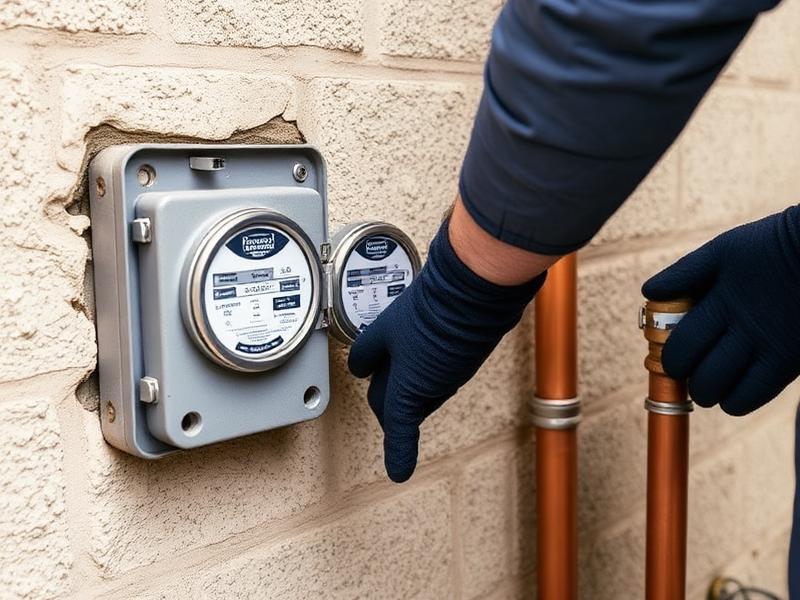
Water Leak Detection
Acoustic correlation, thermal imaging and tracer gas to pinpoint pressurized water line failures inside Coronado walls, ceilings and service laterals — no exploratory demolition.
Learn more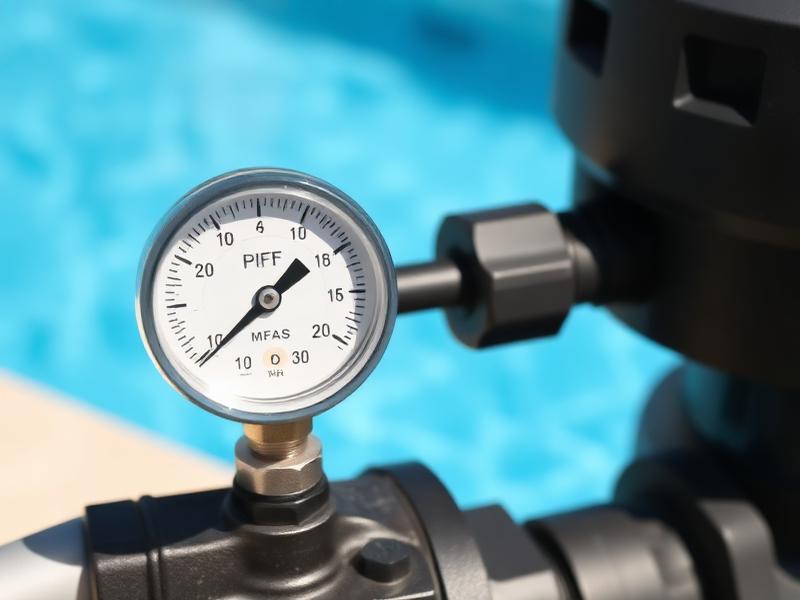
Pool Leak Detection
Dye testing, pressure isolation and hydrophone listening on pools, spas and plumbing loops losing water to dry Southern California evaporation-plus-leak conditions.
Learn more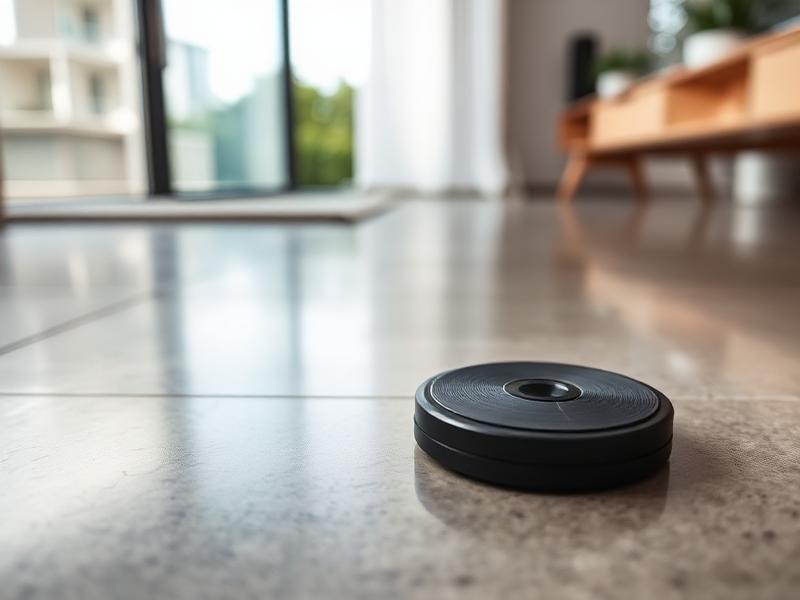
Slab Leak Detection
Tracking hidden line failures beneath Coronado foundations — hot-side pinholes, copper corrosion and post-tension slab breaches located to the square foot before a single cut is made.
Learn more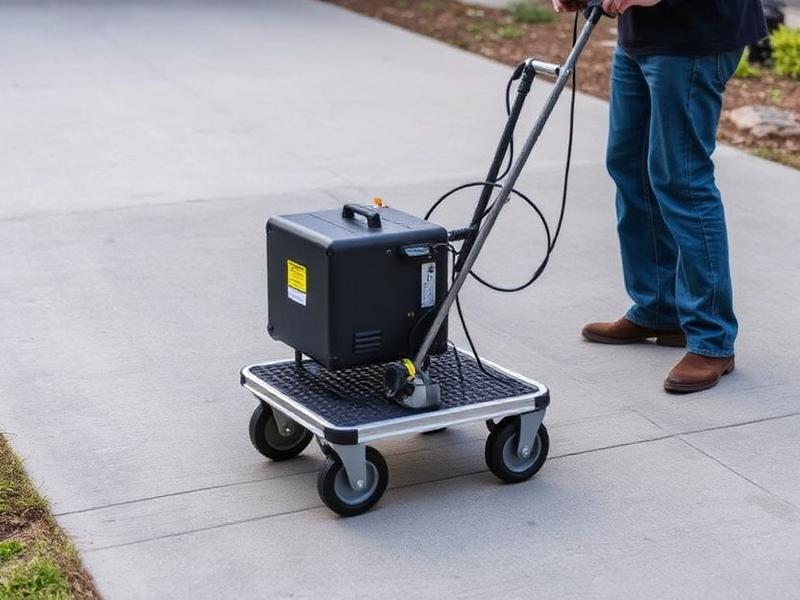
Underground Utility Locating
Electromagnetic locating and ground penetrating radar to map water, sewer, gas and conduit runs across coastal fill and decomposed granite before you excavate.
Learn more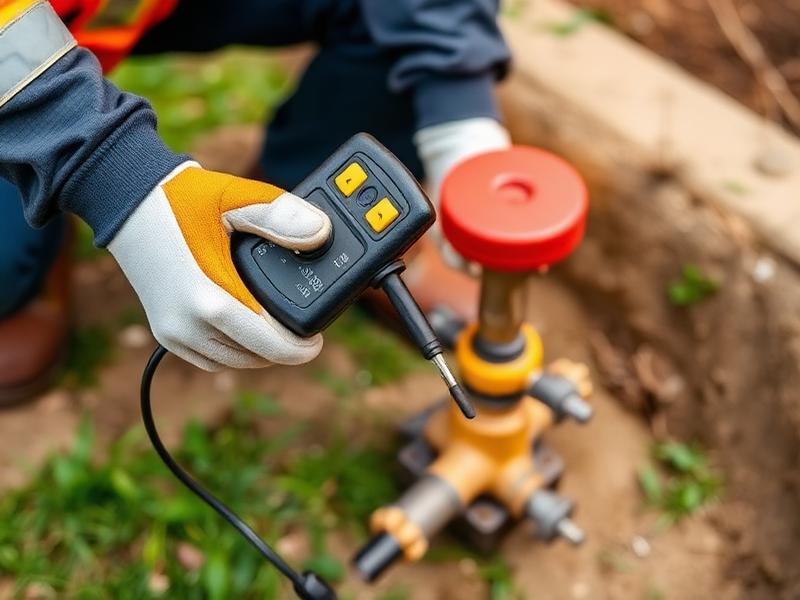
Gas Leak Detection
Certified combustible gas surveys, pressure decay testing and line isolation on residential and commercial natural gas and propane systems throughout San Diego County.
Learn more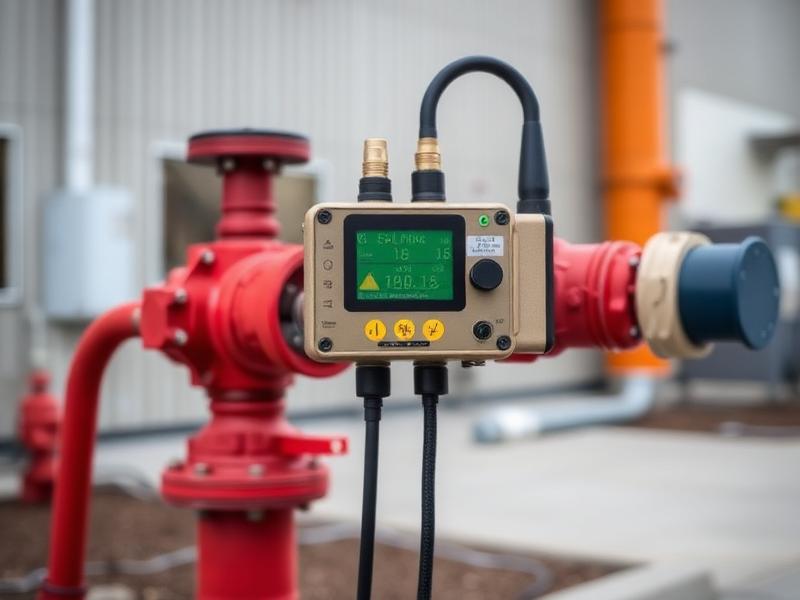
Commercial Leak Detection
Multi-unit, hospitality, retail and industrial leak investigation with after-hours scheduling, documented findings and reports your insurer and property manager will accept.
Learn moreAdvanced Slab Leak Detection in Coronado
Underground soil pressure around Coronado never sits still. Expansive clay and cut-and-fill pads take on water through the winter and shed it through the dry months, and that swell-shrink cycle lifts and drops the foundation in uneven planes. Copper supply lines cast into or run beneath that concrete absorb every millimeter of that movement — they rub against aggregate, rebar chairs and the slab sleeve itself until friction thins the wall and a sudden subterranean break opens on the hot side, usually at a bend, coupling or point of restraint.
We locate that break before anyone touches the floor. Electronic acoustic ground microphones amplify the pressurized hiss travelling through the slab, and we walk the line grid-style until the amplitude peaks over a single point. Where flooring, insulation or ambient noise in a Coronado property blocks the acoustic signature, we isolate the loop and inject an inert tracer gas that migrates up through the concrete to a surface probe. The result is an exact coordinate marked on the floor — one small access cut instead of destructive floor demolition across the room.
Professional Pool & Spa Leak Tracking in Coronado
A pool losing more than roughly a quarter inch a day is losing it somewhere other than the sky. Across Coronado backyards we separate plumbing loss from shell loss before any deck is opened. Each circuit is isolated and pressure tested independently — returns, main drains, skimmer throats and valves, and the spa loop — so a pressure drop points to one specific line rather than the system as a whole.
Structural loss is confirmed underwater. Our divers dye test the shell, light fixtures, tile band, skimmer casings and fittings, and watch where the dye column pulls into a plaster crack or a shrinking fissure in the casing. Before we mobilise, we usually ask Coronado homeowners to run the classic bucket test: a filled bucket set on a step, marked inside and out, run 24 hours with the pump on. If the pool line drops faster than the bucket line, the loss is a leak — not local evaporation.
Hidden Water Line & Main Supply Locating in Coronado
Most pressurized water loss in Coronado is invisible until it is expensive. A pinhole inside a wall cavity wicks into drywall and framing for weeks before a stain appears; a break behind a ceiling shows up two rooms away; a service line failure under the yard simply feeds the soil while the meter spins.
We trace it non-invasively. Digital line tracing and correlation put the pipe route on the surface first, then acoustic amplification and thermal imaging narrow the loss to a point — inside drywall, above ceilings, or running underground beneath structural yard turf, pavers, landscaping and driveways throughout the Coronado community. You get the location, the depth and the photo documentation before a single cut is made.
Ground Penetrating Radar & Line Mapping for Coronado
Contractors, commercial property managers and HOA boards in Coronado call us before the excavator arrives. Private utilities past the meter are not covered by the public locate ticket, and those are exactly the lines that get struck — irrigation mains, fire loops, private electric feeds, gas laterals and low-voltage conduit.
Ground Penetrating Radar reads density changes through concrete and soil to map buried pipes, power conduits, post-tension cables and rebar grids, while electromagnetic transmitters energise metallic lines and tracer wire so we can walk the route and record depth at intervals. We mark everything on site and deliver the map, so your crew has a safe excavation path before cutting or digging on the property.
Emergency Gas Line Leak Detection in Coronado
If you smell gas, leave the building and call the utility first. Once the property is safe, our job is finding the exact failure point. Micro-leaks in residential and commercial propane and natural gas supply lines across Coronado zip codes rarely fail the crude soap test — they weep at thread compound, corroded underground risers and fatigued fittings at a rate you can smell but not see.
We purge the isolated section and charge it with a safe tracer gas mixture — typically helium or a CO2 blend — then sweep the run with advanced digital sniffing detectors calibrated in parts per million. The tracer migrates up through soil, stucco and slab to the surface, and the detector peaks directly over the breach, giving your plumber a single repair point and giving you a pressure-verified line afterward.
Commercial Property & HOA Leak Noise Correlation in Coronado
Large Coronado properties — retail centers, HOA communities, industrial pads, multi-family campuses — cannot shut down supply while someone guesses at a main break. Long runs, tie-ins and shared meters make the loss almost impossible to see from the surface.
Our high-performance digital leak noise correlator solves it under pressure. Two acoustic sensors are placed on separate outdoor contact points — hydrants, valves, meters — at a measured distance apart. The correlator captures the leak noise arriving at each sensor, measures the sound travel speed for that pipe material and diameter, and computes the time delay between them to calculate the exact distance to the breach along the run. Across vast commercial layouts that turns hundreds of feet of buried main into a marked point, with no service interruption and no exploratory trenching.
Straight answers
Leak detection questions Coronado homeowners ask
No call-center scripts. If your question isn't here, call (619) 923 - 0033.
Describe what you're seeing
Warm floor? Spiking bill? Sound of water with everything off?
Tell us the symptoms and we'll tell you what it usually means in Coronado — and what locating it will take. Most calls are scheduled same day.